
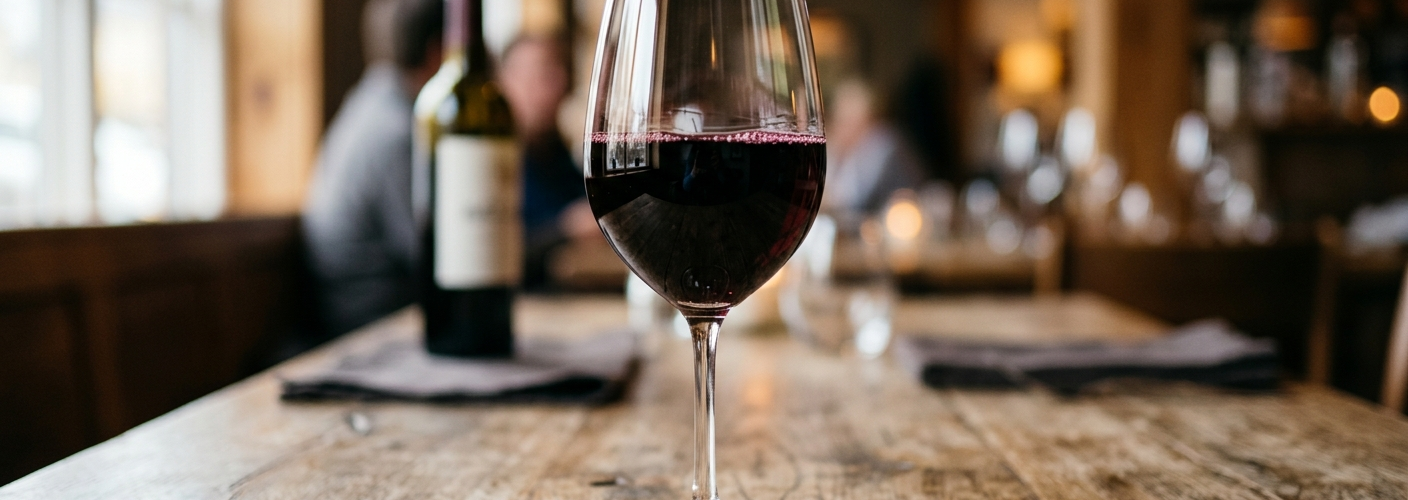
 Vijay S Paul
We have all heard the phrase – “garbage in, garbage out”. Turns out, even the most impressive AI tools we have today are not above this rule. In fact, they are a perfect example of it.
It was a bleak Tuesday morning. Six of us were huddled in a meeting room, talking about the role of AI in our day-to-day work, when my manager, Maneesh, made an offhand comment – AI cannot generate an image of a glass full of wine, because that almost never happens in real life (except, of course, behind closed doors on a Friday evening).
And that, sent me down the rabbit hole.
The simple ask that wasn’t so simple
Once back home, I opened up three browser tabs. One each for ChatGPT, Google’s Gemini Nanabanano (or whatever it is called), and Microsoft Copilot.
And entered the same prompt in all three – “create an image of a wine glass full of wine“.
The results?
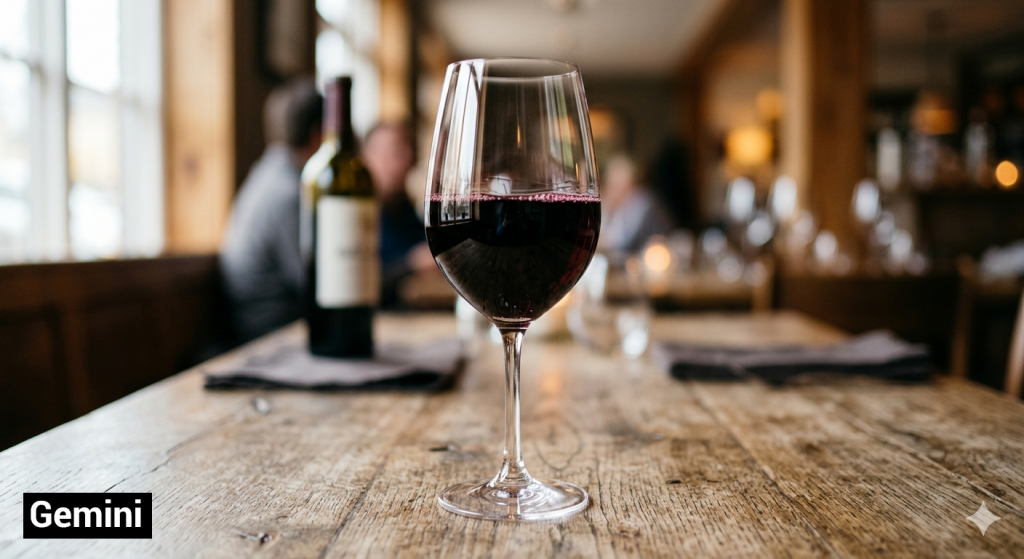
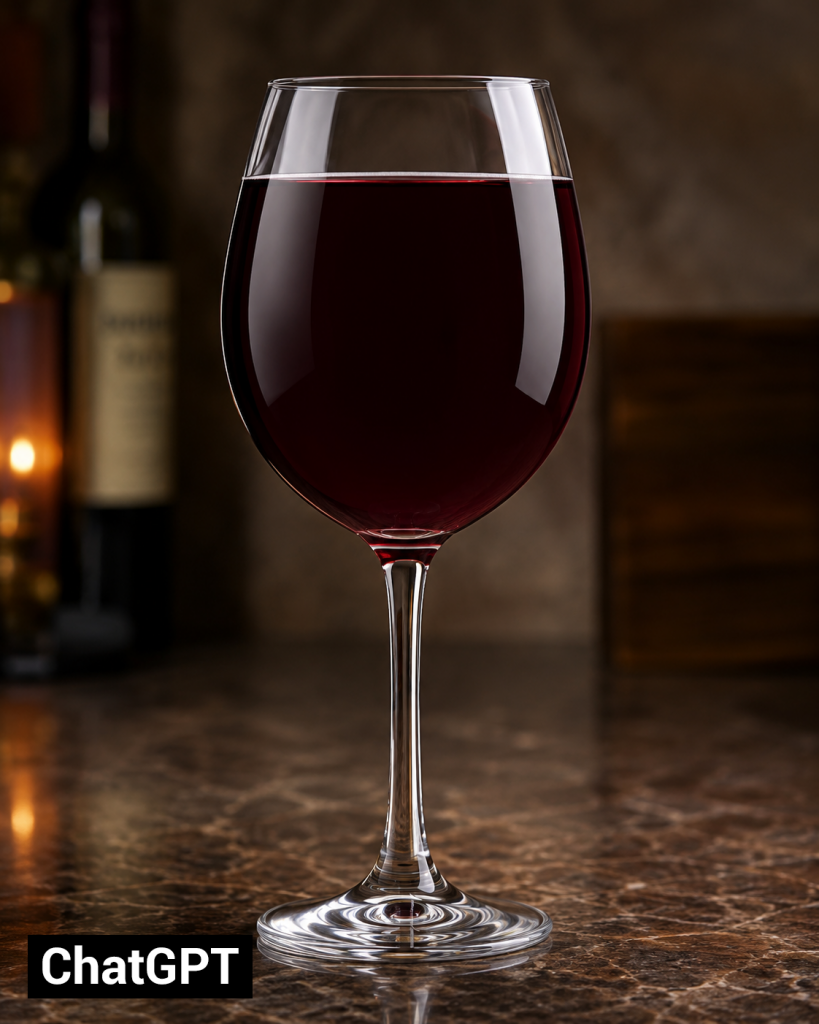
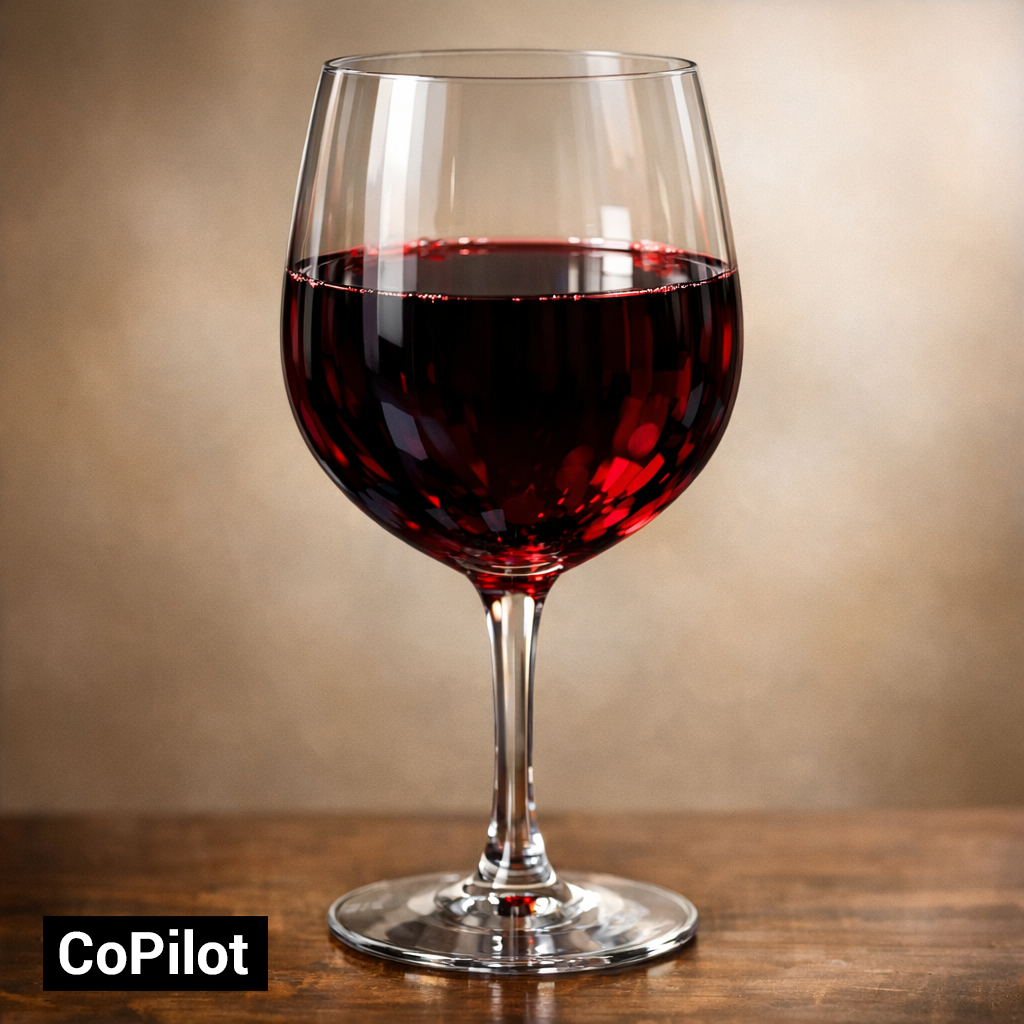
So why can’t AI pour a full glass?
Here’s the thing. AI image generators don’t actually understand what a wine glass is. Or what full means. Or even what wine is.
What they do is study millions of images that already exist on the internet. They learn patterns. And then, when you ask them to generate something, they create an image based on the patterns they have seen.
Now think about this for a moment. In every photo of a wine glass you have ever seen – on a restaurant menu, in a magazine, in a stock photo, on Instagram, in a movie scene – the glass is never full.
And there is actually a good reason for that. In the real world, wine glasses are never filled to the brim.
Red wine is poured up to about one-third of the glass.
White wine, slightly more.
Sparkling wine, about three-quarters.
Why? Because the empty space is needed for the wine to breathe. To swirl. For the aroma to gather at the rim. Filling a wine glass to the brim is considered, well, bad etiquette.
So every photographer, every food stylist, every restaurant, every magazine has photographed wine glasses the ‘right’ way for decades. And the AI tools have only ever seen wine glasses filled this way.
It quite literally does not know what a full wine glass looks like. So when you ask for one, it gives you what it has always seen. A nicely poured, properly partial glass.
What a glass of wine taught me about AI’s limits
This may sound like a small thing. A trivial party trick. But sit with it for a minute.
If a tool with access to billions of images and trillions of words struggles to give you a glass of wine filled to the top, what else is it quietly getting wrong?
It is a small example with a big implication.
AI is only as good as the data it has been fed.
If the data is incomplete, biased, or skewed in a particular direction, the AI’s output will be too. And often, you won’t even notice it. Because the output looks polished and confident.
It is like asking me directions from Everest Base Camp to the summit. I will speak with full conviction because I have read multiple books on Everest climbing expeditions. But I have zilch idea of the reality because I have never even set foot in Nepal or Tibet.
What this means for the rest of us
Here is what this little experiment has driven home for me. And I think it is worth keeping in mind for anyone using AI in their work or daily life.
1. Don’t take AI output at face value.
If a tool can’t give me a glass of wine the way I want it, it can definitely make mistakes on more important things. Always check. Always verify. Especially with anything that involves facts, names, dates, or numbers.
2. AI is not as neutral as it looks.
Every AI you use comes loaded with the assumptions, habits, and conventions of the data it learned from. It is not objective. It is not all-knowing. It has, in a way, inherited the internet’s worldview – complete with all its blind spots.
There are some popular examples of AI bias based on the source data it has been fed:
- Bias against older women when AI generates resumes
- AI blind spots in skin cancer diagnosis for diverse skin tones
- Apple’s gender-biased AI for credit cards
3. The ‘edge cases’ are where AI shows its limits.
Common requests get common results, and they look great. But ask for something unusual, specific, or rare, and the cracks show. A glass full of wine. A left-handed person writing. These are the moments AI struggles, because the data on them is thin.
P.S. These are the results of the prompt “create image of a person writing with their left hand“.
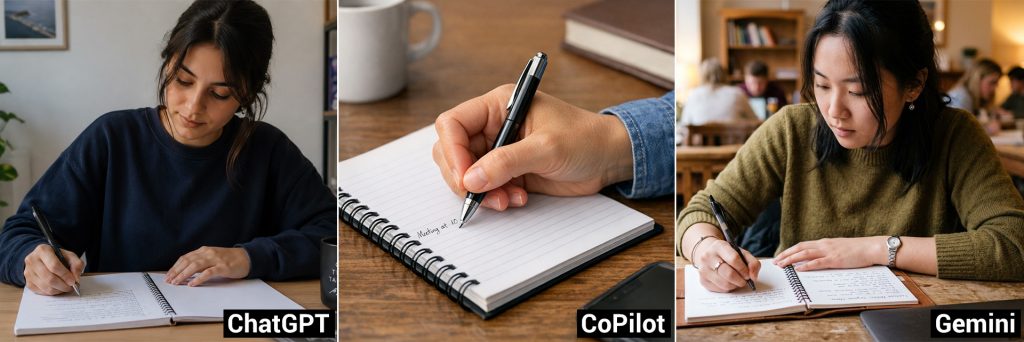
4. Your prompts can only do so much.
There is no magic prompt that can make an AI generate something it has no reference for. If the data isn’t there, the result won’t be there either. No amount of prompt wizardry will fix that.
Conclusion
A glass of wine.
That is all it took for me to truly understand what people mean when they say AI is only as good as its data.
It is not magic. It is not all-knowing. It is, at its core, a very sophisticated mirror reflecting back the patterns it has seen. Sometimes those patterns are useful. Sometimes they are limiting. And sometimes, they are quite stubborn.
So the next time someone tells you AI can do anything, ask them to generate a wine glass filled to the brim.
And then watch what happens.

